
Review · CUSCO
From Cusco: Half-Day Zip Line Adventure
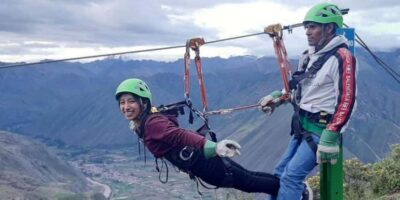
The best part of this half-day adventure is the setting: you fly above the Sacred Valley of the Incas, with the Chinchero plateau, Pj’acchayoc Canyon, and snowy peaks spread out around you. The four cables are not identical, so the activity builds from a gentle first ride to faster, longer, and more dramatic runs.
I like the small group size, limited to 10 people, and the practical Cusco pickup and return to Plaza Regocijo. I also like the way the cable sequence gives you time to get comfortable before asking for more speed. The main drawback is that this is not a relaxed sightseeing trip. You spend about 50 minutes each way in transport, and people with mobility, heart, or pregnancy concerns should choose another activity.
Four cables, four different ways to fly
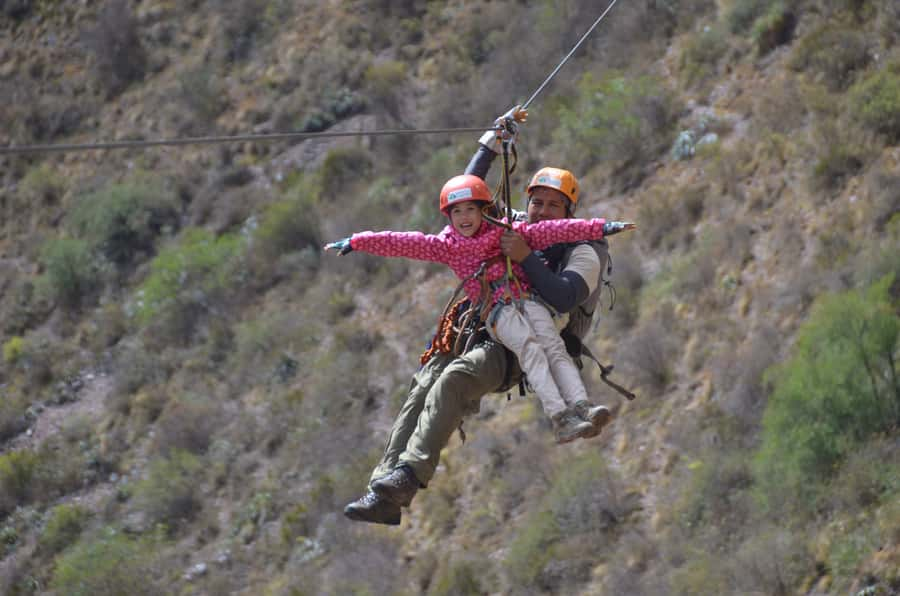
- A gentle first cable gives you time to learn the basic position and settle your nerves.
- A faster second cable adds the high-adrenaline rush this activity is known for.
- A longer third cable gives you room to try different body positions.
- A dramatic fourth cable offers the broadest views toward the canyon, valley, and mountains.
- A small group of up to 10 keeps the activity more manageable than a large commercial outing.
- Hotel pickup and central drop-off make this easy to fit into a Cusco day.
Leaving Cusco for the Racchi community
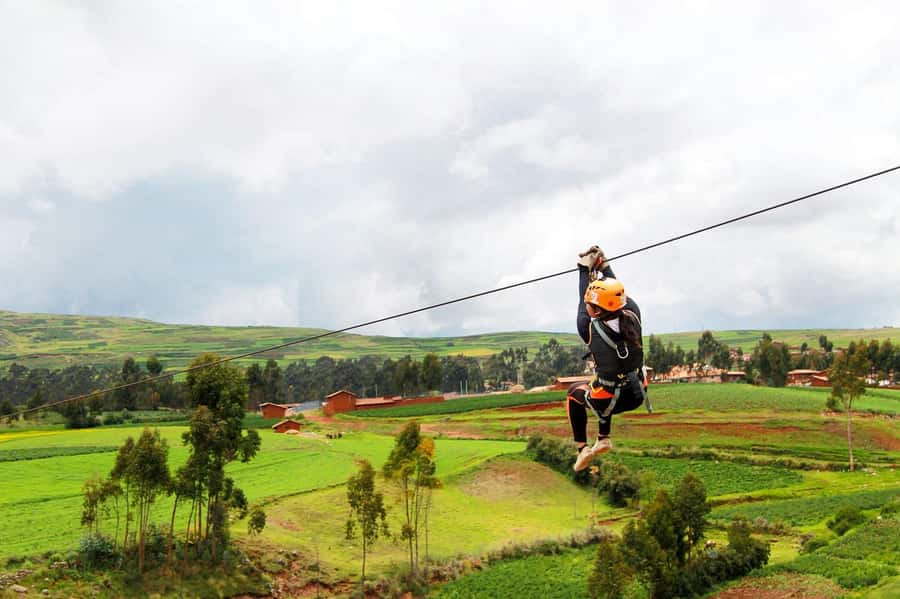
The outing begins with pickup at your accommodation in central Cusco. From there, transport takes about 50 minutes to Racchi, a community set among open highland scenery and some of the region’s best-known natural features.
The drive is part of the experience, but it also affects the value of this tour. The actual zip lining lasts about 1 hour and 30 minutes, while the full outing takes roughly three hours. You are not paying for three hours in the air. You are paying for a short adventure activity combined with transport into the countryside and back.
That timing works well if you want an active morning or afternoon without giving up a full day for a longer Sacred Valley tour. It can also fit neatly around other Cusco plans, although you should allow enough room for pickup and return rather than arranging a tightly timed museum visit afterward.
Racchi gives the activity a more local setting than a zip line built right beside a city hotel. The route looks toward the Chinchero plateau, Pj’acchayoc Canyon, the Sacred Valley of the Incas, and the snow-covered Chicón and Pitusiray mountains. The surrounding Racchi community is also part of what you see, so this is not only a ride above empty hills.
More Half-Day Outings in Peru:
- Cusco: Half-Day Zip Line Adventure and Chinchero Tour
★ 5.0 · 2 reviews - Ubud: Half-Day Zipline and Jungle Swing Adventure
★ 4.5 · 352 reviews - Riviera Maya Jungle Half-Day Tour: ATV, Ziplines, Cenote Swim, Rappel
★ 4.5 · 339 reviews
Getting comfortable on the first cable
The first wire is described as gentle. That is good planning. Zip lining can feel simple when you watch someone else do it, but the first launch is when you learn how the harness feels, how to hold your body, and how to follow the guide’s instructions.
You should treat this first ride as practice rather than a test of courage. Let yourself get used to the height and movement. Once you understand the basic position, the later cables become more enjoyable because you are not spending the whole time wondering if you are doing something wrong.
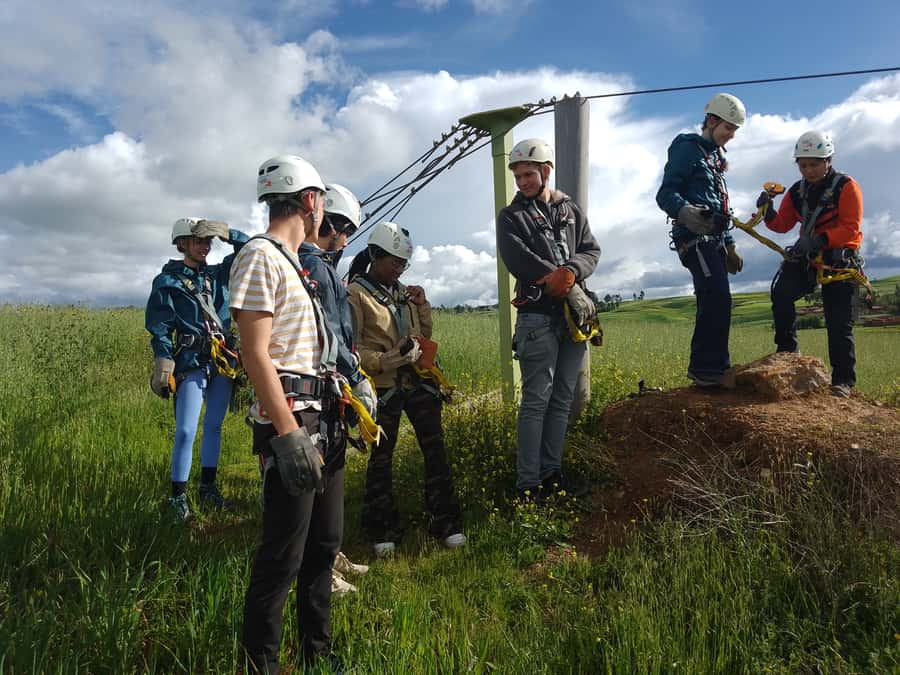
The equipment and a guide in English or Spanish are included. A first aid kit is also carried for the activity. No guide names are provided, so you should not expect to choose a particular instructor, but language support is available in both English and Spanish.
The small group limit matters here. With no more than 10 participants, the instructor can keep the sequence organized and give basic directions without the confusion that often comes with a much larger line. You will still need patience while other people ride, since everyone does not fly at the same moment.
Picking up speed on the second cable
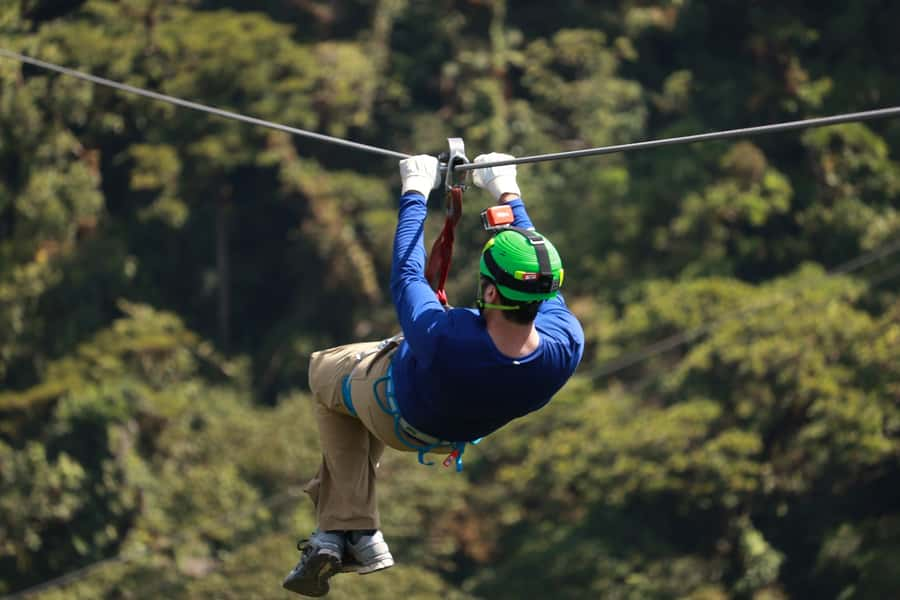
The second cable is faster and is meant to bring on the main rush. This is where the outing shifts from an introduction to a proper adrenaline activity.
I like that the speed comes after the gentler first run. You can decide how much excitement you want before committing to the quicker cable. If you are already nervous, the first ride gives you a chance to find your footing. If you are eager for action, the second run should arrive soon enough to keep the momentum going.
The experience has received an overall rating of 4.8 from three ratings, and the strongest repeated theme is simple: it is fun and high adrenaline. That description fits the design of the activity. This is not a cable ride meant only for looking around. It is built around the sensation of speed, open air, and changing views.
Still, keep your expectations sensible. A zip line is a controlled ride, not an extreme expedition. The excitement comes from the height, speed, and setting, while the guides and equipment keep the activity structured.
Using the longer third cable
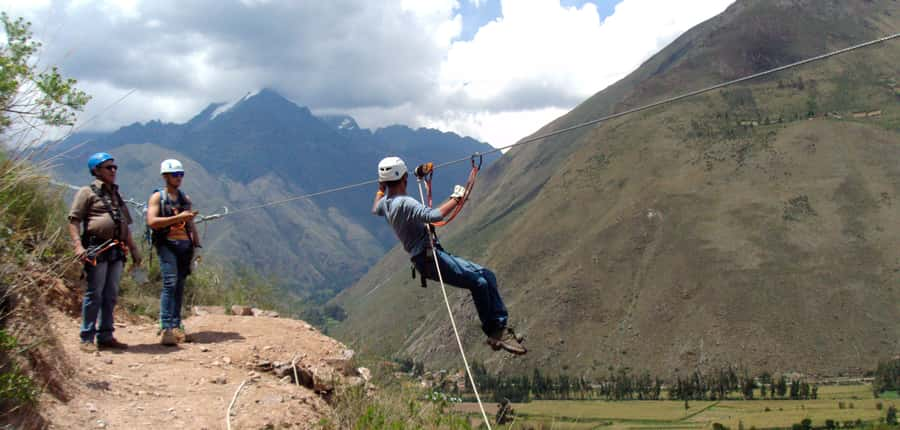
The third wire is longer, giving you more time in the air. The information provided describes the longest cable as 600 meters, while another cable is described as the deepest at 2,000 meters. Because those measurements are presented in different ways, you should confirm the exact cable specifications when booking if distance is especially important to you.
The longer run is also the one where you may have time to try different positions. The activity description refers to more extreme movements, but you should only attempt a position if the guide says it is safe and explains how to do it. Follow the instructor’s directions rather than treating the ride as a chance to improvise.
This cable adds variety. On a short run, the ride can end just as you feel settled. A longer cable gives you time to enjoy the view and the feeling of moving through open space. You may also find that the extra length makes the ride feel more dramatic, even if the speed is not the fastest of the four.
Wear trousers or other comfortable clothing that allows you to move within the harness. Closed shoes are required. Sandals and flip flops are not allowed, so this is not an activity to squeeze into between pool time and dinner unless you have proper footwear with you.
More zipline tours around Peru:
- Sam’s Zip Line in Sacred Valley
★ 5.0 · 75 reviews - Rafting & Zip line Urubamba River 1 Day
★ 5.0 · 75 reviews - 4-Day Inca Jungle Adventure, Mountain Biking, Rafting and Zipline
★ 5.0 · 60 reviews - Cusco Rafting and Zipline Adventure
★ 4.5 · 47 reviews
Saving the biggest views for the fourth cable
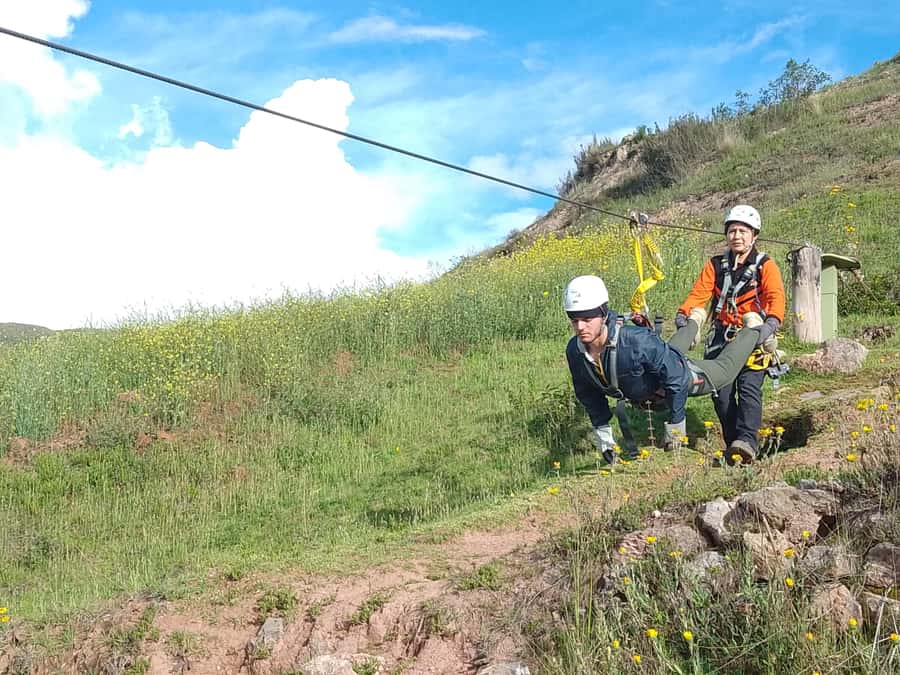
The fourth cable is described as the deepest and the one with the best views toward Pj’acchayoc Canyon, the Sacred Valley, and the surrounding mountains. It is the natural finale of the sequence.
By this point, you have already learned the basic position, felt the faster cable, and had more time on the longer one. That progression makes the final ride easier to appreciate. Instead of using your energy on first-time nerves, you can pay attention to the broad view below and the mountains beyond.
The scenery is the strongest reason to choose this particular activity over a zip line in a less dramatic setting. The views include the Chinchero plateau, the canyon, the Sacred Valley, and the snowy Chicón and Pitusiray peaks. Weather and visibility will affect how much you see, but the route is designed around these features.
Do not expect a full guided tour of the valley’s archaeology or villages during the cable rides. The focus is flight and scenery, not detailed cultural interpretation. The mention of the Racchi community adds a local setting, but this half-day outing does not include a separate village visit, meal, or archaeological tour.
What the $85 price really covers
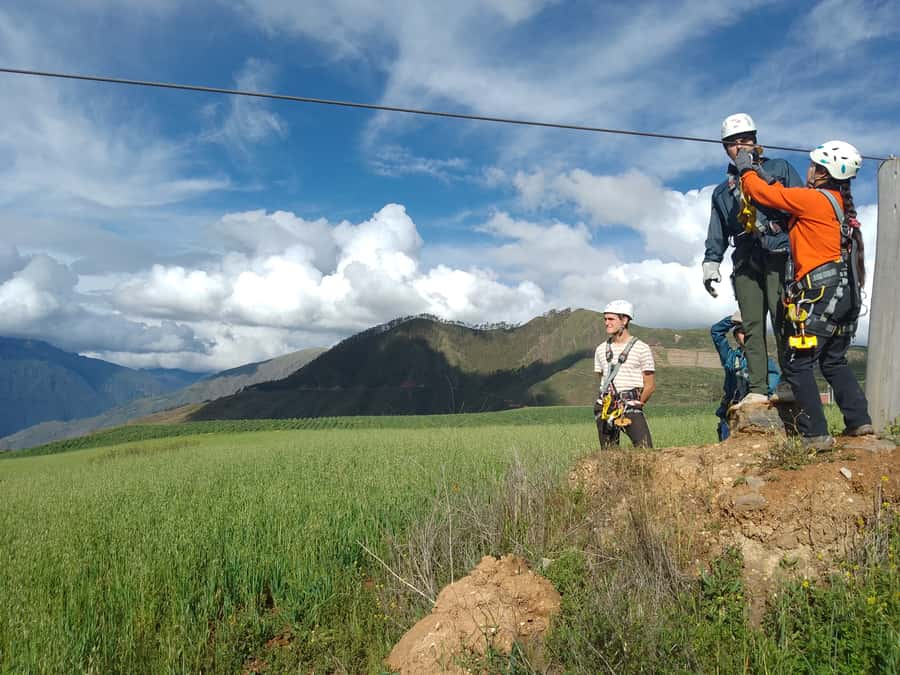
At $85 per person, this is not the cheapest way to spend three hours in the Cusco region. The price makes more sense if you value the convenience of hotel pickup, round-trip transport, equipment, a bilingual instructor, four separate cables, and a return to central Cusco.
You are also paying for access to a mountain setting that would be harder to reach on your own. The cost includes the activity itself, not just the ride. For someone who already plans to visit the Sacred Valley, it may feel like an expensive add-on. For someone looking specifically for a short burst of adventure from Cusco, the package is easier to justify.
Meals are not included, and neither is accommodation. Plan to eat before or after the outing rather than expecting food at the cable site. Drop-off is at Plaza Regocijo, two blocks from Cusco’s main square, which is useful for finding lunch or continuing into the historic center.
The activity allows free cancellation up to 24 hours before departure and offers reserve-now, pay-later booking. Those terms are helpful when your Cusco schedule may shift, though you should still check the available starting time before making other plans.
Who will enjoy this Cusco zip line
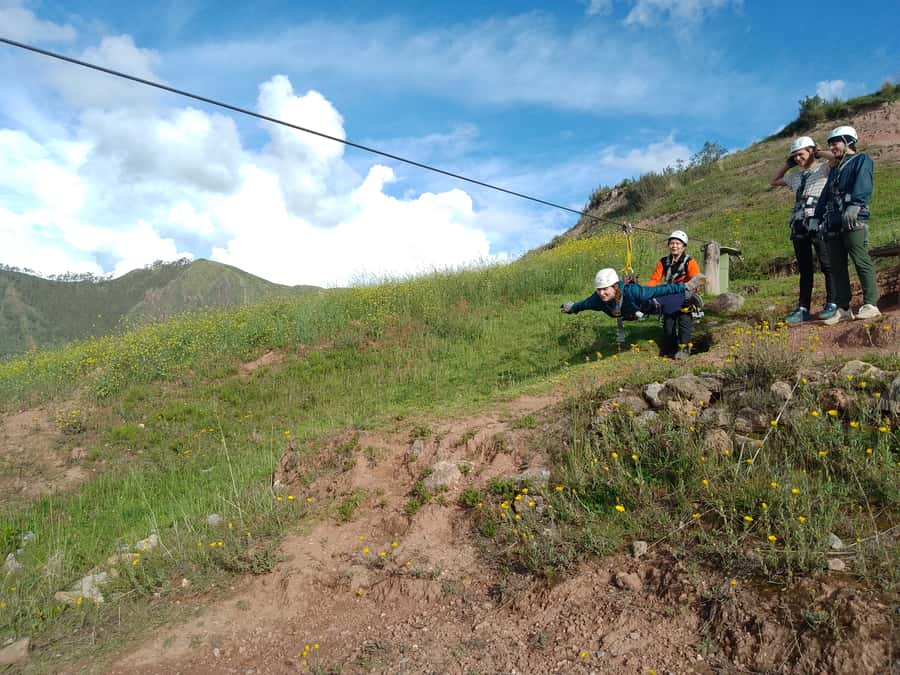
I would recommend this experience to you if you want a short, active break from museums, churches, and walking tours. It suits people who enjoy a clear dose of speed but do not want to give up a whole day for rafting, trekking, or a longer excursion.
It is also a good match if views matter as much as the activity. The cable sequence gives you four chances to look toward the canyon, valley, plateau, and snowy peaks. The fourth cable in particular is designed around the broadest views.
The small group format should appeal to you if you prefer a more orderly outing. A group of 10 is still large enough to have some waiting, but it is more manageable than a busload of participants rotating through one short cable.
This is not suitable for pregnant women, people with mobility impairments, or people with heart problems. You also need to avoid sandals and flip flops. If you are unsure about your physical condition, ask a medical professional before booking rather than relying on the short duration to make the activity seem easy.
Practical advice before you go
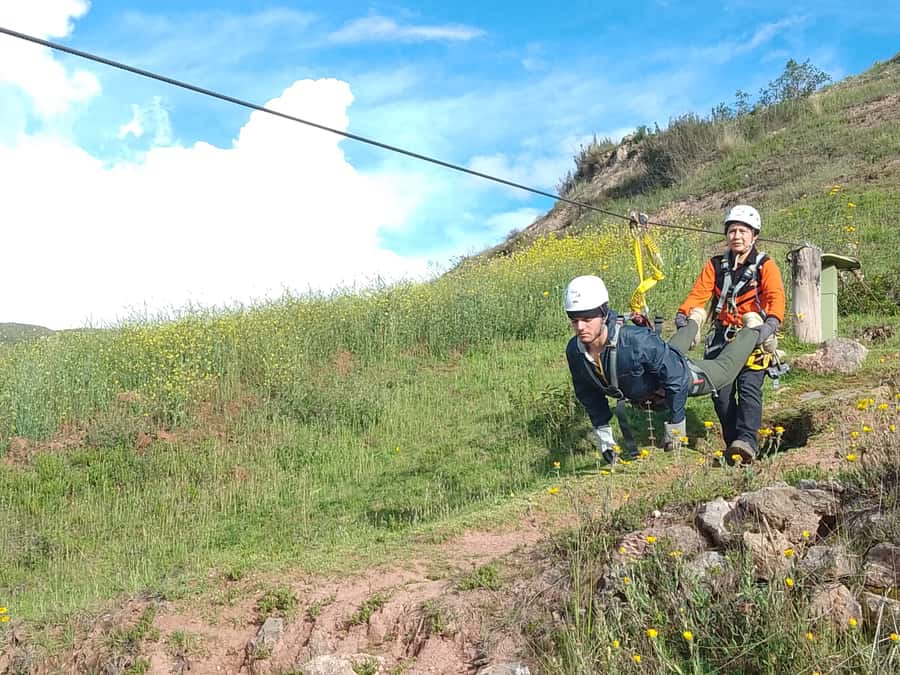
Wear sturdy closed shoes and comfortable clothes. The equipment is supplied, so you do not need to bring your own harness or zip line gear.
Keep valuables to a minimum. The activity details do not state whether there is secure storage, so do not assume that phones, cameras, or bags can travel safely on every cable.
Allow the full three hours, even though the flight portion lasts about 90 minutes. Pickup times and transport can shape the day, and the return is to Plaza Regocijo rather than directly back to every Cusco address.
Choose your booking time with the views in mind. The cable route is one of the main reasons to go, so visibility can matter as much as the speed. The activity is available with English or Spanish instruction, which lets you choose the language in which you are most comfortable receiving safety directions.
Should you book this four-cable adventure?
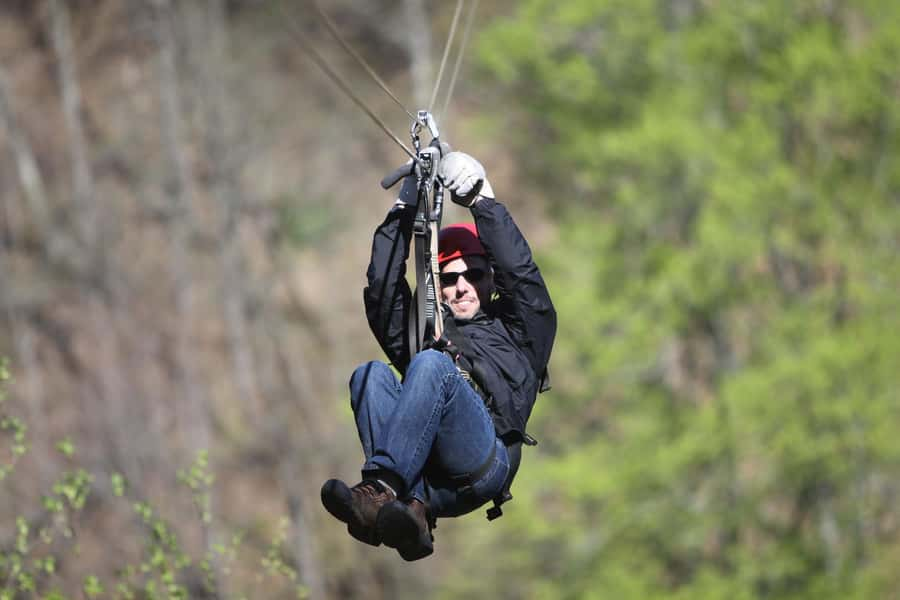
Book it if you want a compact, high-energy outing with mountain views and easy transport from central Cusco. The gentle first cable, faster second, longer third, and dramatic fourth create a better progression than repeating the same ride four times.
Skip it if you want a quiet scenic tour, a detailed cultural visit, or a full Sacred Valley itinerary. The 50-minute ride each way is a real part of the schedule, and the $85 price is easiest to defend when you are specifically looking for zip lining.
For an active half-day, I think the combination is appealing: four different cables, a small group, bilingual instruction, and views toward some of the Cusco region’s most recognizable peaks. Just arrive in closed shoes, leave room in your schedule, and be ready for a fast ride rather than a gentle sightseeing flight.
FAQ
How long does the Cusco zip line experience last?
The full experience lasts about three hours. The zip lining activity itself takes approximately 1 hour and 30 minutes, with about 50 minutes of transport from Cusco to Racchi.
How much does the experience cost?
The listed price is $85 per person.
Where does the activity take place?
The activity takes place near the Racchi community in the Cusco Region, with views toward the Chinchero plateau, Pj’acchayoc Canyon, the Sacred Valley, and the Chicón and Pitusiray mountains.
How many zip lines are included?
Four cables are included. They have different speeds and lengths, with the first designed to be gentle and the later cables becoming faster, longer, or deeper.
Is hotel pickup included?
Yes. Pickup is included from accommodation in central Cusco.
Where is the return drop-off?
The return drop-off is at Plaza Regocijo, about two blocks from Cusco’s main square.
Are guides available in English?
Yes. Instruction is available in English or Spanish.
What should I wear?
You must wear closed shoes. Sandals and flip flops are not allowed.
Who should not take this activity?
The activity is not suitable for pregnant women, people with mobility impairments, or people with heart problems.
Fresh zipline picks around Peru
- Zipline over the Sacred Valley Trip★ 5.0 · 11 reviews
- 07 Day: Inca Jungle Adventure with Mountain Bike, Rafting, Zipline & Trek★ 5.0 · 36 reviews
- Puerto Maldonado: Jungle Adventure |Zipline + Canopy + Kayak★ 3.2 · 5 reviews
- Tambopata: Zipline Adventure & Kayak to Monkey Island★ 3.9 · 7 reviews
- From Cusco: Via Ferrata and Sky Lodge Zipline★ 5.0 · 16 reviews
- From Cusco: Via Ferrata & Zip Line with lunch★ 5.0 · 5 reviews
- Cusco: Zipline + ATV’s | Salt Mines of Maras and Moray |★ 5.0 · 4 reviews
- Cusco: Half-Day Zip Line Adventure and Chinchero Tour★ 5.0 · 2 reviews
More Cusco Zipline Tours to compare.
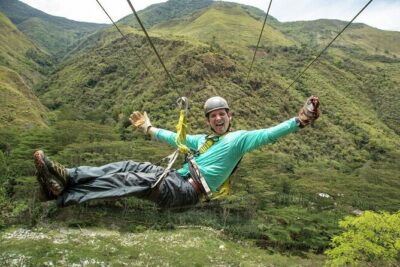
4-Day Inca Jungle Adventure, Mountain Biking, Rafting and Zipline
Read our review →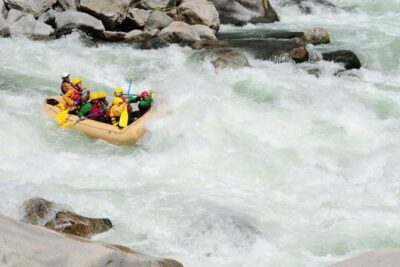
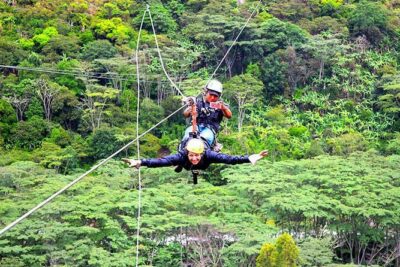
07 Day: Inca Jungle Adventure with Mountain Bike, Rafting, Zipline & Trek
Read our review →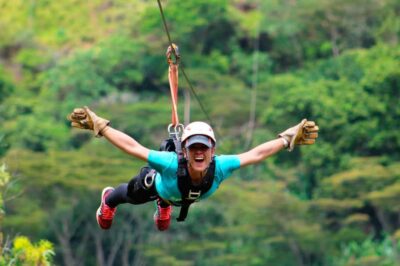
Zipline lists with this tour